
Glendale's Do Not Call (DNC) laws, enforced by the Attorney General's Office, protect residents from unwanted telemarketing calls. Key regulations include restricted call times, written consent requirements, and an easy opt-out process. Exceptions apply to non-profits, political campaigns, and existing business relationships. Violations can be reported with call details, and a specialized lawyer for Do Not Call Phoenix can guide consumers through the complaint process. Meticulous documentation of call details is crucial for successful complaints. Timely action and legal guidance from a Phoenix DNC lawyer increase the likelihood of achieving a favorable outcome.
In today’s digital era, unwanted phone calls can be a persistent nuisance, with many individuals seeking ways to reclaim their peace of mind. The sheer volume of automated calls, often known as robocalls, has led many residents in Glendale to explore options for limiting these intrusions. One effective measure is filing a “Do Not Call” complaint, which can significantly curb unwanted telephone marketing. This article guides you through the process step-by-step and emphasizes the importance of taking action, especially when persistent calls become a burden or even a harassment. For complex cases, consulting with a lawyer specializing in Do Not Call laws in Phoenix can be invaluable to ensure your rights are protected.
Understanding Do Not Call Laws in Glendale

In Glendale, like across Arizona, telephone sales calls are regulated by the Do Not Call (DNC) laws designed to protect residents from unwanted solicitation. Understanding these laws is crucial for both consumers and businesses. The DNC list in Arizona is administered by the Attorney General’s Office, which actively enforces the regulations against violators. Any individual who feels they’ve received a call in violation of these rules can file a complaint with the AG’s office, triggering an investigation that could lead to penalties for the offending party.
Key aspects of Do Not Call laws in Glendale include restrictions on telemarketing calls during certain hours (typically between 9:00 am and 5:00 pm), requirements for businesses to obtain express written consent before calling, and a robust opt-out mechanism where residents can easily register their numbers for the DNC list. A notable exception is calls from non-profit organizations, political campaigns, or businesses with which the caller has an existing business relationship. It’s essential to recognize these nuances to ensure compliance and avoid potential legal repercussions.
For those who suspect a violation, filing a complaint is straightforward. The process involves providing details about the call, including the date, time, and company name. A lawyer for Do Not Call in Phoenix can offer expert guidance on navigating this procedure, ensuring that your rights are protected and any necessary documentation is accurately submitted. Furthermore, staying informed about local and state laws through official channels like the Arizona Attorney General’s website can help consumers stay ahead of potential issues and empower them to take swift action if a DNC violation occurs.
Documenting Your Complaint: What to Gather
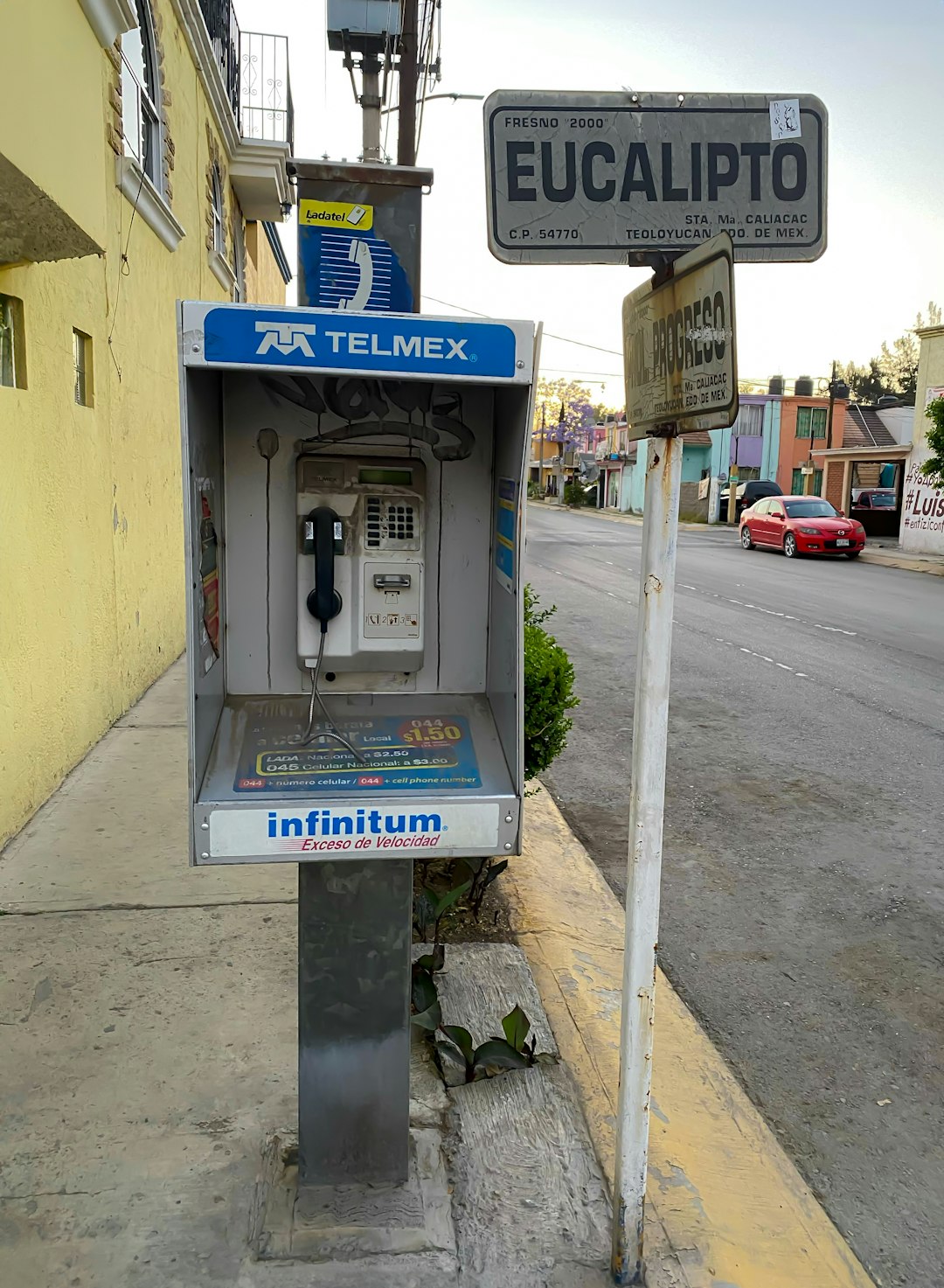
When filing a Do Not Call complaint in Glendale, meticulous documentation is key to ensuring your voice is heard. Gathering evidence and details about the violation strengthens your case. Start by compiling all relevant information such as phone numbers associated with the unwanted calls, including area codes, dates, times of day when calls were received, and any identifying details about the callers or their messages. For instance, note if the caller left a voicemail or sent text messages that violate the Do Not Call Registry rules. It is also crucial to save any documentation that shows how you became added to the list, such as advertisements, promotions, or sign-ups for contests from unknown sources.
A record of the frequency and persistence of these calls can be powerful evidence. Many phone services allow you to keep a log of incoming calls, which can serve as an accurate record of your interactions. Additionally, consider saving any paper documents that support your case, such as business cards or brochures received during events where your number might have been collected without consent. If you’ve engaged a lawyer for Do not call Phoenix to assist you, they may also request specific data like call records from your service provider.
Remember, the more comprehensive and organized your complaint documentation, the easier it becomes to prove that your rights under the Do Not Call Registry have been violated. This detailed approach significantly enhances your chances of a successful outcome.
Filing Your Complaint: Steps & Legal Assistance

Filing a Do Not Call complaint in Glendale is a straightforward process designed to protect your privacy and end unwanted phone calls. The first step is to gather information about the caller and document the dates, times, and content of each call. Note any patterns or repeated violations of the Arizona Do Not Call Act. Once you have this data, file your complaint with the Arizona Attorney General’s Office using their online form or by submitting a written statement. Include as much detail as possible, such as the caller’s name, phone number, and the purpose of the calls.
If the unwanted calls persist despite your initial complaint, consider seeking legal assistance from a lawyer for Do Not Call in Phoenix. These professionals are equipped to navigate complex consumer protection laws and can help you understand your rights under both state and federal regulations. They may also be able to negotiate with the offending party on your behalf or file a lawsuit if necessary. For instance, data from the Federal Trade Commission (FTC) shows that consumer complaints about telemarketing violations have consistently remained high, emphasizing the ongoing need for robust enforcement.
An experienced lawyer can guide you through any legal complexities and ensure your rights are protected. They might suggest additional steps, such as obtaining call records from your service provider or requesting a court order to stop the calls altogether. Remember, timely action is crucial; the longer you wait, the harder it may become to resolve the issue. By involving a lawyer for Do Not Call in Phoenix, you can expect expert representation and a higher likelihood of achieving a favorable outcome.